How to strengthen your Immune system
As we go into another lockdown with winter having definitely arrived, the night's have drawn in, it's cold and we aren't allowed much contact with our loved ones, I thought it would be a good idea to share how you can boost and strengthen your immune system to keep you strong during winter. There are viruses and bacteria all around us, it is the environment within us that is important.
The Immune system was masterfully designed to defend our body from foreign substances. Unfortunately with the way things have changed and progressed in the world today, the immune system’s job has become harder. Due to the growth in the population around the world, the ever increasing production of harmful petrochemical products, exposure to technology, i.e. mobile phones and computers, the fast pace in the work place, our Immune systems are under a lot of strain to function effectively.
What can you do to strengthen your Immune system?
Diet
When it comes to nutrition, the best advice is to eat as naturally and organically as possible. A good healthy diet will include fresh fruits and vegetables, whole grains and natural yoghurt with live cultures, which acts as a probiotic. It is important to ensure sufficient intake of dietary proteins, which help form the immune tissues and antibodies; essential fatty acids (omegas), also required for cell and tissue health; and the right type of carbohydrates (a lot of which you get in root vegetables). Anti-nutrients should be avoided as they use the body’s nutrients to metabolise themselves. Examples include: sugar, white bread, white rice, alcohol, chocolate, biscuits, soda drinks, fast foods and excess dairy products.
Fasting and detoxification programs can strengthen the immune system and help cleanse the body.
It is also crucial to drink enough water in order to flush out impurities and to have adequate fibre (fruit and vegetables), which helps to clear colon toxins.
Stimulants such as tea, coffee, and caffeinated sodas should be avoided or kept to a minimum. They are usually used for an energy boost but cause the adrenals to work harder resulting in exhaustion in the long term.
Additives in food and drink should also be avoided. They are derived from petrochemicals and have been known to cause allergic reactions such as inflammation, pain, insomnia, depression, headaches and hyperactivity. They have also been linked to serious illnesses such as cancer, adrenal damage, impairment of thyroid function, kidney lesions and bladder polyps.
The choices we make when it comes to the food we eat affect our health. This is just a guideline, if you need assistance in formulating an eating plan that is suitable for you and we all have individual needs, then go and see a reputable dietician or nutritionist who will be able to help.
Supplements
If you are eating a well-balanced, whole food diet with lots of fruits and vegetables that are organically grown then you might not need to take a supplement. Only you know how you feel. You should have lots of energy, be free from aches and pains and feel vital and alive. If this is not the case then chances are you might need some help. If you are specifically looking at boosting your immunity then a good quality anti-oxidant would be good to take. This includes vitamins A, C and E, zinc and selenium. These nutrients stimulate immune function. Vitamin D is also really important especially in the northern hemisphere at this time of year as we just don’t get enough sunshine to make this vitamin.
Some natural alternatives include:
Garlic, which is a natural antibiotic.
Goldenseal improves immunity by supporting the liver and has antimicrobial properties.
Echinacea is an antimicrobial and boosts the immune system.
Olive Leaf extract is also a very good natural antibiotic and antioxidant. It slows down the spread of an invading organism so that the immune system can attack it. It acts as an antiviral, antibacterial, antifungal and antiparasitic.
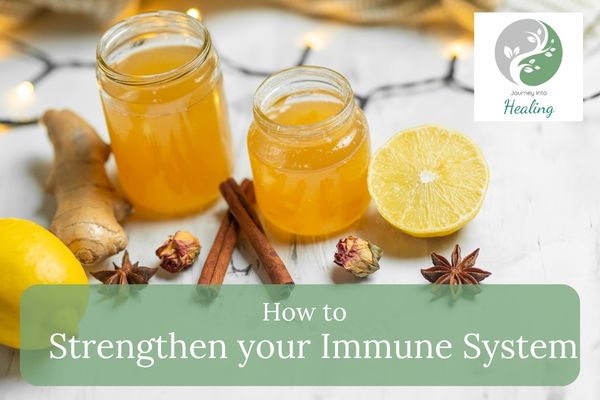
Herbal tea made with fresh lemon, ginger and thyme, let steep for 5 minutes and add some honey. This is great for coughs, sore throats and colds.
High doses of Vitamin C (6000mg or more per day broken up into 2000 to 3000mg at a time) support the immune system and help the body fight infection. You cannot overdose on Vitamin C, you may get loose bowels but then just cut back a bit. It is very effective in shifting chest infections and shortening the duration of colds and flu.
A slight fever is actually a good thing when we get sick as it helps detoxify the body, stimulates the immune system and increases metabolism. Viruses and bacteria cannot survive in a high temperature hence the fever. It is important to take in additional fluids when you have a fever to counteract that which is lost. Avoid taking iron when you have a fever as germs use it for nourishment. Try not take anything to stop the fever, rather let your body do the work so it can work through the infection and get rid of it without it being suppressed.
Sleep and relaxation
Sleep gives the body a chance to maintain and repair its cells. The immune system triggers the release of Melatonin, which is sleep inducing, while fighting infection to help the healing process. Sleep helps the body conserve energy and resources needed to fight infection. Melatonin is produced naturally while we sleep and is extremely beneficial for the immune system. It is a powerful antioxidant and stimulates the cells of the immune system. It is therefore vital that we get enough sleep.
Relaxation techniques have the opposite effect to that of stress. Blood pressure drops, pulse rate and breathing rate fall, muscles relax and arteries dilate. There is also a remarkable effect on psychological distress as they help alleviate depression, anxiety, fatigue and negative emotions. People who practice relaxation techniques usually enjoy life more, have better relationships and perform better. Relaxation can take many forms, it does not mean inactivity. Techniques include meditation, hypnotherapy, listening to soothing music while doing something you enjoy, having a massage, having a Reflexology treatment or reading a book. It has been found that laughter has the opposite effect of what stress has on the body and is very good for our immune system. It also increases circulation, aids digestion, lowers blood pressure and reduces muscle tension. Spending time with friends and giving and receiving hugs improves the activity of natural killer cells, which seek out and destroy infected cells. Listening to music you love improves immunity. Block out loud and intrusive noise, which causes tension and stress responses in the body.
Exercise
Moderate exercise strengthens the immune system. It also improves our circulation, which means that nutrients, immune cells and oxygen are distributed around the body. Exercise is not only good for the physical body but also psychologically. Exercise improves our mood and self-esteem and can be beneficial to our performance and relationships. It can alleviate depression and anxiety, making you feel more positive and able to sleep better. Exercise helps to cope with stress as it offers a form of release. It is advisable to do some form of moderate exercise that you enjoy.
It could be going for walk, gardening, swimming, yoga, pilates or dancing. Care should be taken if you are ill as your immune system is overloaded fighting infection and your body will not be as strong as it usually is. If there is no fever, then moderate exercise might help and make you feel a bit better. Be careful though not to overdo it as intense exercise would only exacerbate the symptoms and prolong healing and put too much strain on your heart.
Alcohol
Alcohol flushes zinc from the body, which is required to fight infection. It also breaks down vitamin C, which is important for a strong immune system. In general, alcohol affects the absorption of many vitamins that are needed by the body to function properly. It is advisable to keep alcohol consumption down in order to limit deficiencies, especially when you are ill.
Positive thoughts
Research has proven that by having positive thoughts, the immune response is strengthened. Positive thoughts lead to positive emotions, which in turn stimulate the body to release endorphins and stimulate the immune response. On average we have around 60000 thoughts a day, the majority of which are repetitive. You have no power over anyone but yourself and you choose your thoughts. You can therefore choose to have positive healing thoughts. Try it and watch the aches and pains disappear and lightness and peace appear.
Reflexology
Having a treatment at the first sign of illness which is usually a feeling of unusual fatigue, really helps to boost the immune system and shorten the duration of symptoms. Listen to your body and rest after a treatment and you will be pleasantly surprised by the results, it really does work!
How do you boost your Immune system?
With love,