
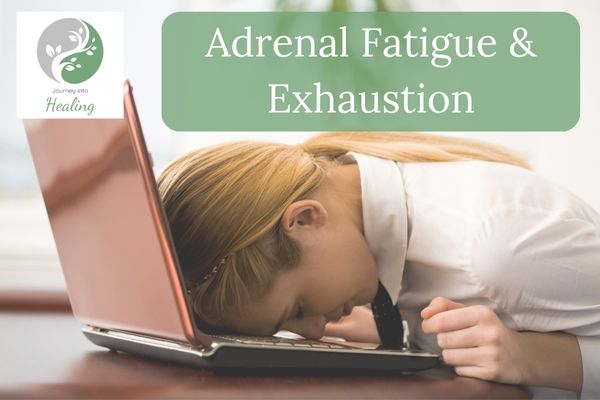
Adrenal fatigue and exhaustion
Do you find yourself struggling to get out of bed in the morning, even though you have had a decent nights sleep? Do you worry a lot or have high levels of stress? Do you struggle to switch off and are constantly on the go?
The adrenal glands are about the size of a walnut and sit on top of the kidneys. They are responsible for managing your stress, which is probably the most important function in the body. When we experience a fright and need to act quickly, the adrenals are stimulated to release adrenaline, which raises our heart rate, allows us to take in more oxygen, increases our blood pressure and blood glucose levels so that our muscles have the energy they need to respond. Once the stress is over, our body then reverts back to normal. The problem arises when we are exposed to chronic stress over a long period of time such as work stress, worry, relationship problems, environmental toxins, financial strain, grief and loss. The adrenals are then stimulated to release hormones which retain water and sodium, thus increasing blood volume and blood pressure. Proteins and fats are broken down and converted to glucose thus raising blood sugar levels, which suppresses the immune system.
Factors that put excess stress on the adrenals include:
Anger, fear, anxiety, guilt, depression and other negative emotions
Sleep deprivation
Overwork, physically and mentally
Nutritional deficiencies
Excessive exercise
Chronic inflammation, infection, illness or pain
Surgery, trauma or injury
Light cycle disruption (working night shift or going to sleep too late)
Temperature extremes
Toxic exposure
Signs and Symptoms
Chronic Fatigue/exhaustion especially in the morning and mid to late afternoon
Sleep disorders
Weight gain
Depression
Increased allergies
A suppressed immune system
Muscular weakness
Cravings for foods high in salt, sugar and fat
Skin problems
Autoimmune disorders
Hormonal imbalance
Low sex drive
Fertility issues
Decreased ability to handle stress
Light headedness when getting up after sitting or lying down
Poor memory
Trouble waking up in the morning even after a good sleep
Causes
Emotional stress relating to grief or loss
Poor diet – cortisol, released by the adrenals, regulates the immune response in the gut. If you experience chronic stress and eat poorly then the good bacteria in your gut and the lining will be damaged allowing harmful bacteria to take over. It is therefore important not to eat too many refined carbs or sugar so that you maintain a healthy gut flora.
Chronic inflammation, which is at the core of all dis-ease. A very effective strategy to counter inflammation is grounding or earthing. You simply walk or place your barefeet on the earth (dewy grass is great) or sand at the beach and allow the free electrons to enter your body through your feet as they are anti-inflammatory.
Hypothyroidism (under-active thyroid) – it is a natural body mechanism if you have high cortisol levels to down regulate the thyroid. So if your adrenals are exhausted, it is pretty likely that your thyroid won’t be working optimally.
Testing
The standard tests will not pick up adrenal fatigue as they are looking for extreme underproduction and overproduction. The best way to test the function of your adrenals is by doing a salivary cortisol test. You collect saliva samples four hourly starting first thing in the morning, at noon, late afternoon and before bed. This will give an idea of what your cortisol levels are doing during the day. Ideally you should have high cortisol levels in the morning when the sun comes up and low levels in the evening to help you sleep.
As it takes time to burnout the adrenals, it will take time to restore balance again. You can expect:
6 to 9 months for minor adrenal fatigue
12 to 18 months for moderate adrenal fatigue
Up to 24 months for severe adrenal fatigue
Be patient and persevere, it is possible to restore balance so you can enjoy good health again.
Some natural tips to help you recover from adrenal fatigue:
Find a way to address current and past emotional traumas whether it be through prayer, meditation, tapping meridian points, EFT (emotional freedom technique). Reflexology can also help to shift repressed emotions to the surface so that you can release them.
Eating a well balanced wholesome diet rich in vegetables, protein and complex carbohydrates like root vegetables or wholegrains.
Avoid stimulants such as caffeine and fizzy drinks, which stress the adrenals.
Listen to your body and rest when you need to, don’t push yourself. Sleep in in the morning and start your day a bit later. Try get to bed before 10pm.
Exercise regularly with a good combination of exercises including core, strength and aerobic.
Make sure you eat regularly, snack every 3 to 4 hours. Don’t allow yourself to become hungry as that indicates that your blood sugar has dropped meaning you have run out of fuel.
Try a herbal supplement containing liqorice, Korean Ginseng, Ashwagandha, Rhodiala, Gingko Biloba, Astragalus, Rehmannia or Eleuthero.
Find a natural physician (naturopath) who can test your hormones. Treating adrenal fatigue requires a whole body approach including addressing unhealthy lifestyle habits and excess stress that wore the adrenals out in the first place, as well as balancing your hormones.
Have more fun! Do things that give you pleasure and joy. Spend time with people who make you feel good and avoid people who drain you. Focus on your good aspects and strengths instead of your limitations and ‘weaknesses’.
Allow yourself to accept love, nurturing and affection. Start by giving it to yourself.
Use positive affirmations on a daily basis and make sure your dialogue with yourself is positive. “I love myself just the way I am”, “I deserve to feel good”, “I love and approve of myself. It is safe for me to care for myself”
Has this helped you?
I have just added Affirmations for Self Care to my Resources page, have a look.
I would love to hear your feedback or questions, so please post on my facebook page below or reply to this and let me know.
With love,